Coming Soon - Cherry Bomb Switchgrass
 Previous Slide
 Next Slide
WorryFree Promise
 Deer Resistance
 Insect Resistance
 Disease Resistance
 Water Resilience
 Hardiness
Special Features
 Low Maintenance
 Attracts Wildlife
 Kid/Pet Friendly
 Sustainable
Coming Soon - Cherry Bomb Switchgrass
Panicum virgatum Dream Catcher® Cherry Bomb™
Ornamental Grass

Height 2.5-3'
Spread 14-18"

Description
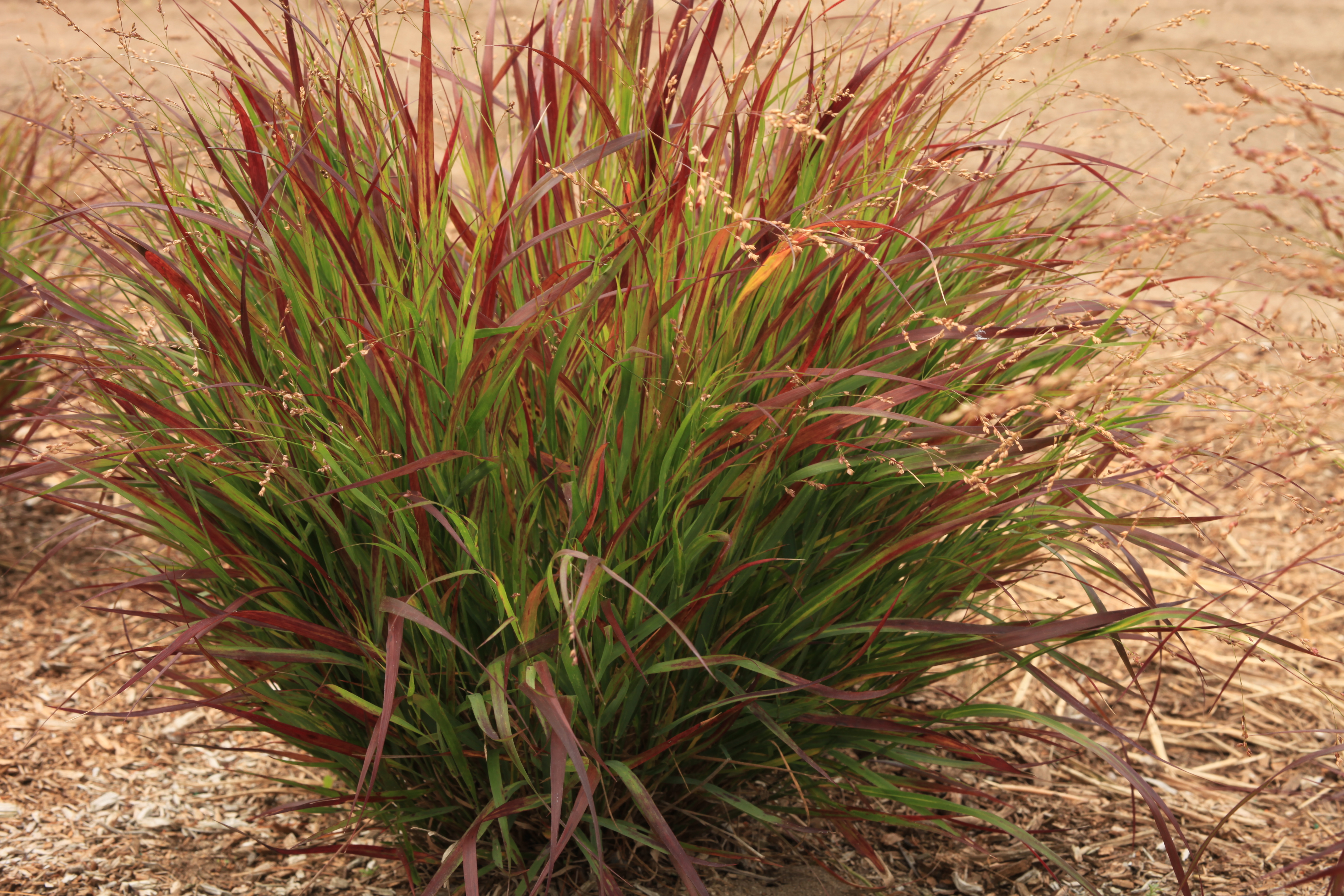
Ignite your garden with explosive color and zero stress! This hardy native features steel-blue blades turning brilliant cherry-red, topped with airy plumes. Deer and pest resistant, and drought tolerant, it thrives in poor soil and easily survives winter freezes. With deep roots for erosion control, this tough beauty offers year-round elegance and absolute worry-free care.
Plant Care

Water
New Plants (First Year): Water 1 to 2 times per week if there is no rain. Deeply soak the soil around the base so moisture reaches a depth equal to the root ball. Established Plants (Year 2 and Beyond) - Only needs supplemental watering during extended, severe dry spells or heat waves. When it gets extremely dry, give the plant about 1 to 2 inches of water over a 7- to 10-day period. Water the soil at the base rather than overhead. Wetting the foliage frequently can invite fungal issues. Container Plants: If your switchgrass is in a pot, it dries out much faster than ground-planted grass. During the summer, water it 1 to 2 times per week, making sure the top 2 inches of soil are dry before watering again

Fertilizer
Switchgrass naturally thrives in poor, lean soils. Adding fertilizer often does more harm than good to native ornamental grasses. It can cause: 1) Weak Growth: Excessive nutrients—especially nitrogen—cause the grass to grow too fast, 2) Flopping: Fast growth results in weak, weak stems. The grass will flop or fall over instead of standing upright, 3) Loss of Color: Too much fertilizer can wash out the vibrant red and purple fall colors of the 'Cherry Bomb' variety, leaving it dull and overly green. However, if you grow it in a pot, nutrients wash out over time. You can apply a weak, half-strength dose of a balanced, slow-release fertilizer once in early spring.Also, if your soil is completely stripped of nutrients, you can mix a thin layer of organic compost into the surrounding soil in the spring.

Pruning
Cut it back in late winter/early spring, just before new green growth begins to emerge from the base.
Seasons of Interest

Spring
Cut the dead stalks down to the ground in late winter or early spring. As a warm-season grass, it starts growing a bit later in the spring once the soil thoroughly warms up.

Summer
Soft, blue-green foliage grows rapidly into a tight, upright clump.The tips of the leaves begin blushing with intense burgundy-red tones mid-summer. Light, airy pinkish-green seed heads (panicles) appear above the foliage like a soft cloud.

Fall
Plant transforms into a brilliant, fiery deep red and burgundy column.The seed heads dry out into a delicate tan mist that catches the autumn sunlight.

Winter
Dried, sturdy stalks remain standing tall through wind and snow, providing excellent structural texture to a dormant garden and offers crucial shelter and food for songbirds