15 Answers to Your Most Common Gardening Hurdles
How do I know if a plant will survive in my yard?
Check the hardiness zone map to see if the plant is suited for your local winter temperatures. You also need to match the plant’s needs to your site's specific light, soil, and moisture conditions.
What is the difference between "Full Sun" and "Partial Shade"?
"Full Sun" generally means at least 6 hours of direct sunlight per day. "Partial Shade" or "Partial Sun" usually refers to 4–6 hours of sun.
How much space should I leave between plants?
It is crucial to follow spacing recommendations on plant tags. Planting too close can lead to competition for water and nutrients, while also reducing airflow, which may cause disease.
Can I garden in small spaces or on a patio?
Yes, many plants thrive in containers and vertical setups.
When is the best time to plant?
Generally, spring and fall are best to avoid the extreme stress of summer heat or winter freezes.
What does "amending the soil" mean?
Adding organic matter like compost to improve texture and nutrients.
How big should I dig a hole for my plant?
A good rule of thumb is to dig a hole twice as wide as the plant's root ball; however, keep the depth shallow to ensure the plant sits on firm ground; if the hole is too deep, the plant may sink over time, which can lead to trunk rot or "suffocating" the roots; See the Planting Checklist for more information.
How often should I water my plants?
A general rule is to water when the soil feels dry about one inch below the surface. Deep, infrequent watering is usually better than frequent light sprinkles, as it encourages roots to grow deeper.
Do I have to prune my plants?
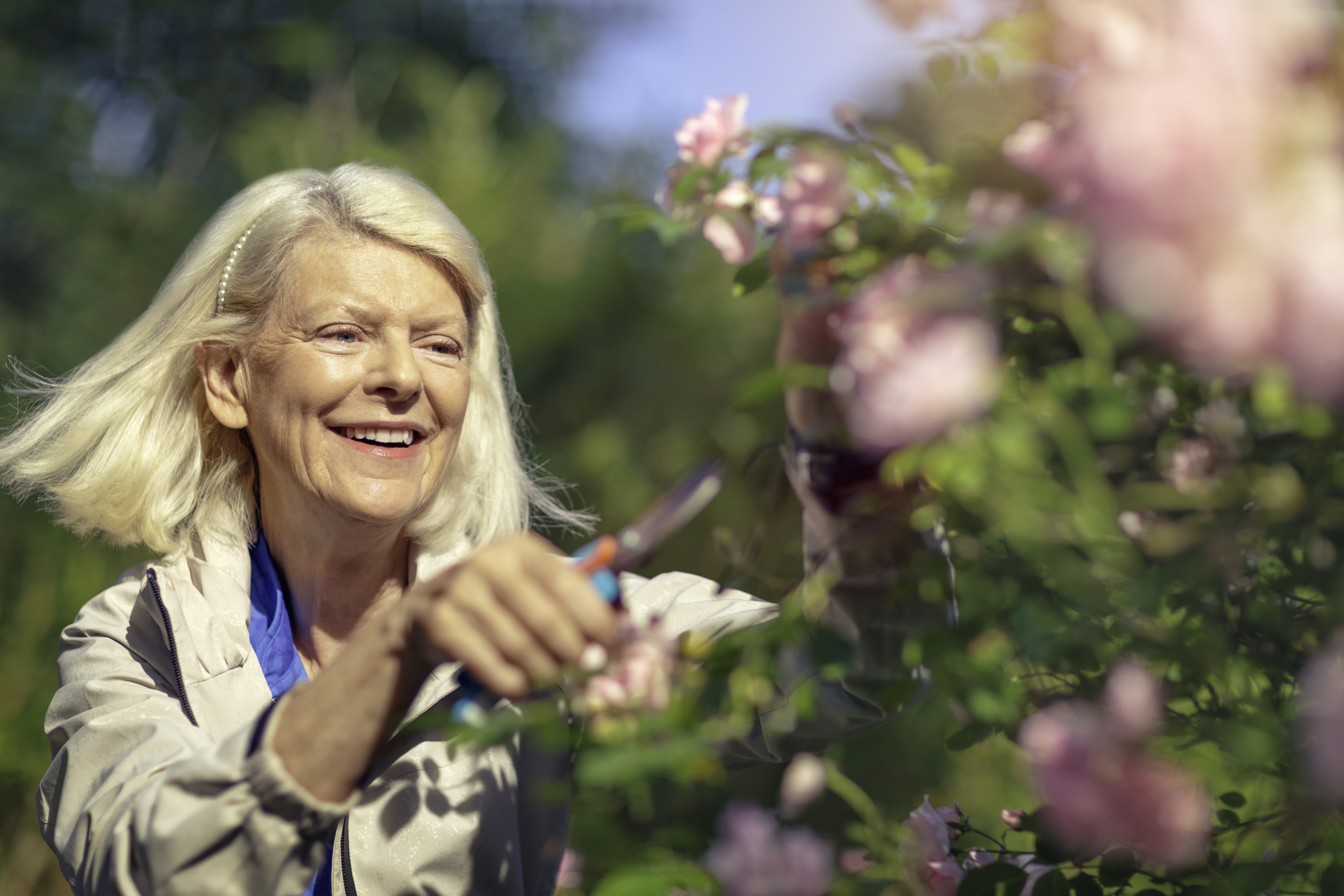
While often aesthetic, pruning can encourage healthier growth and more flowers.
When is the best time to prune?
Pruning timing depends on the plant type. For many flowering shrubs, it’s best to prune immediately after they finish blooming. For others, late winter or early spring is better for encouraging new growth.
Do I need to fertilize?
Feeding plants can help them flourish, especially those in containers. However, it’s best to start with a soil test to see exactly what nutrients your garden might be lacking.
What do the numbers on fertilizer bags mean?
They represent the ratio of Nitrogen, Phosphorus, and Potassium (N-P-K).
Why isn't my plant flowering?
Common culprits include incorrect pruning timing, lack of light or fertilization, or extreme weather.

© WorryFree Plants | Website by 37 Gears