Sweet Daisy™ Birdy Shasta Daisy
 Previous Slide
 Next Slide
WorryFree Promise
 Deer Resistance
 Disease Resistance
 Compactness
 Water Resilience
 Hardiness
Special Features
 Low Maintenance
 Attracts Wildlife
 Kid/Pet Friendly
 Good for Containers
 Great for Small Spaces
 Sustainable
Sweet Daisy™ Birdy Shasta Daisy
Leucanthemum × superbum 'Doleucswedabir' PP 32,774
Perennial

Height 18-24"
Spread 12-18"

Description
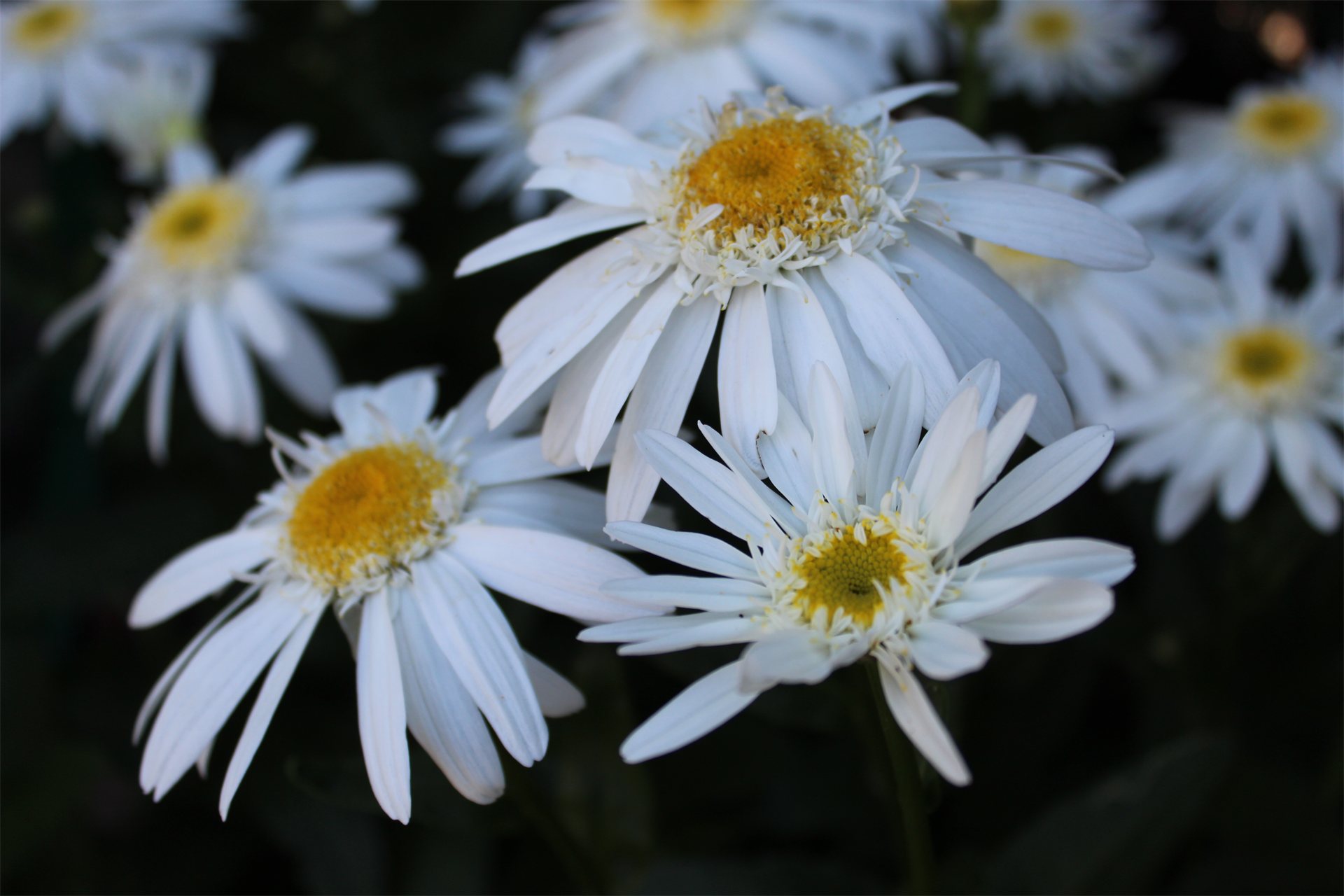
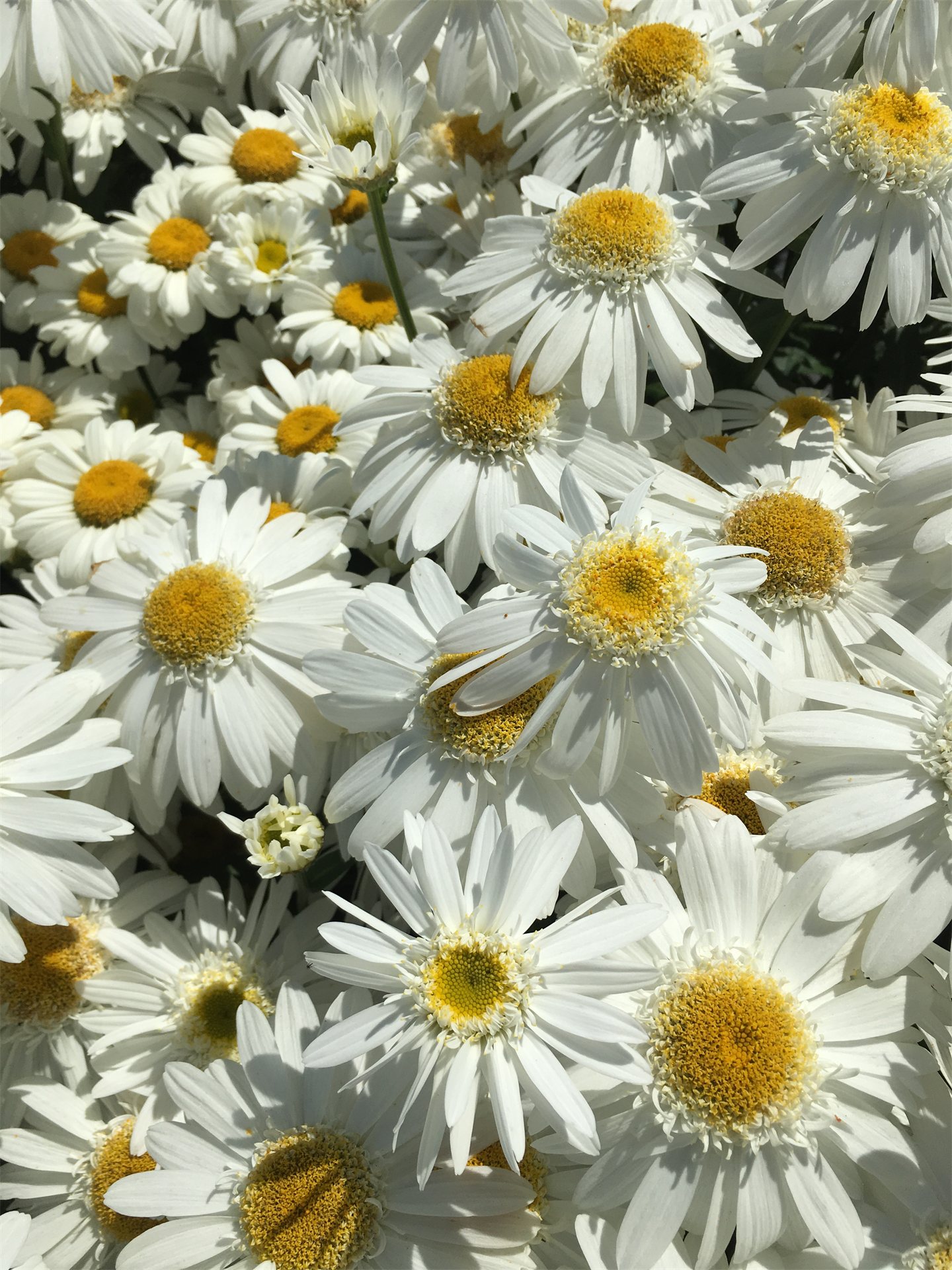
Sweet Daisy® Birdy redefines elegance with massive, five-inch ruffled white blooms centered by glowing golden eyes. This award-winning perennial delivers stunning, continuous summer color on compact, sturdy stems. Beyond its exceptional aesthetic appeal, it offers truly worry-free care—thriving in heat and cold, tolerating drought, and naturally resisting deer, rabbits, and disease.
Plant Care

Water
Soak deeply when the top 2 inches of soil feel completely dry. Water 2–3 times a week for the first month to establish roots. Once mature, reduce watering to once a week, or only during hot, dry spells. Containers: Check daily; pots dry fast and need watering every 1–2 days in mid-summer. Always avoid overwatering, as soggy roots will cause the plant to rot.

Fertilizer
Apply a slow-release, balanced fertilizer only once per year in early spring as new growth emerges.

Pruning
Deadheading: Cut off faded flower stems down to the next lateral leaf bud throughout summer. This forces the plant to continuously pump out new flowers.Late Autumn: Cut the entire plant back to about 2 to 3 inches above the soil line after the first hard frost kills the foliage.Early Spring: Clean away any dead, blackened leaves left over from winter to make room for fresh green shoots.
Seasons of Interest

Summer
Blooms continuously with massive 5-inch white flowers from early summer through late summer.

Fall
Blooms can linger into early fall. After the first hard frost, the foliage provides a clear signal for clean-up when it dies back.

Winter
The plant remains dormant underground during winter and pushes fresh green foliage in early spring.