Tall Tails Catmint
 Previous Slide
 Next Slide
WorryFree Promise
 Deer Resistance
 Water Resilience
 Hardiness
Special Features
 Low Maintenance
 Attracts Wildlife
 Kid/Pet Friendly
 Good for Containers
 Great for Small Spaces
 Sustainable
Tall Tails Catmint
Nepeta faassenii 'Tall Tails' PPAF
Perennial

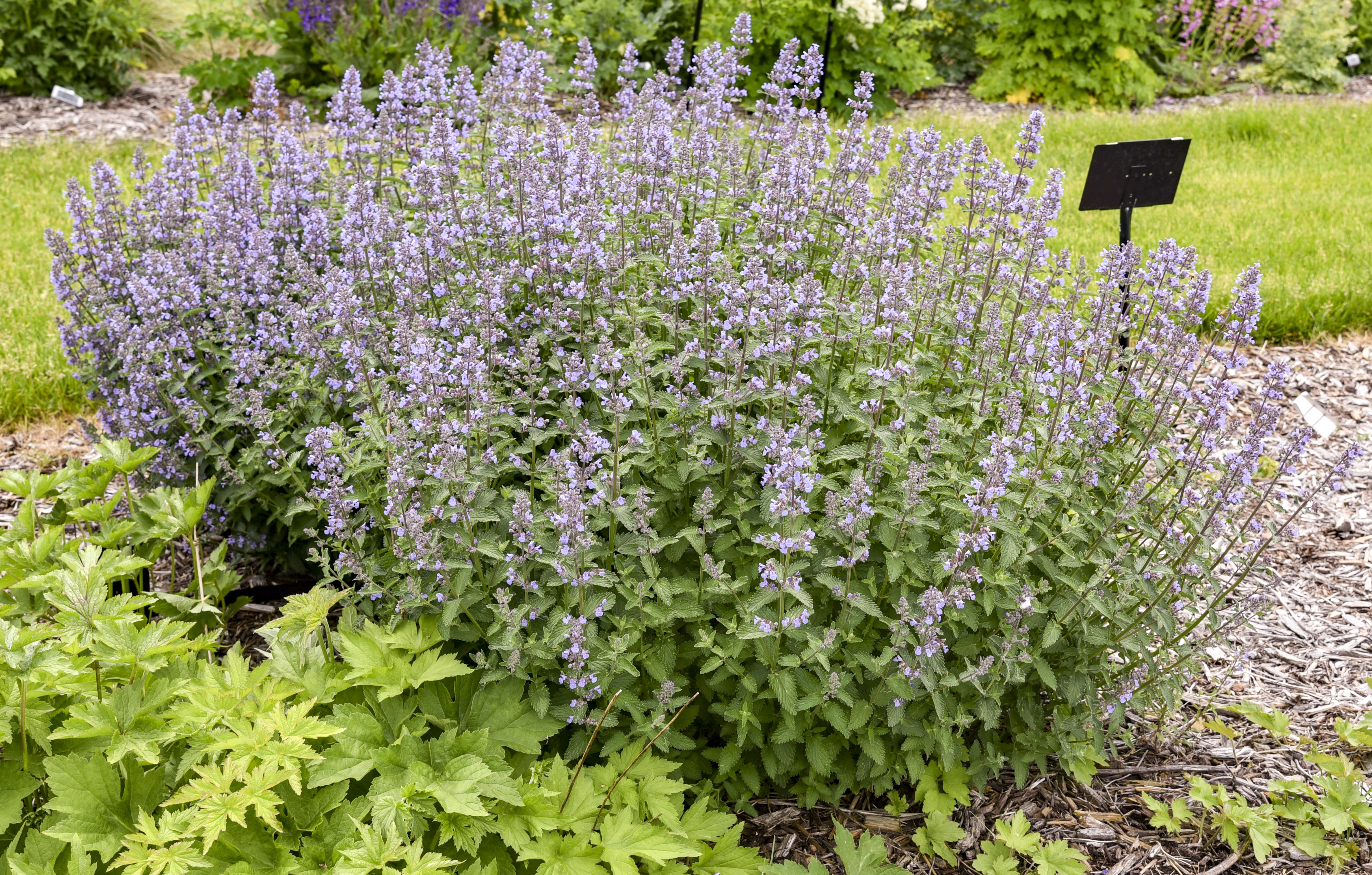
Height 28-32"
Spread 36-40"

Description
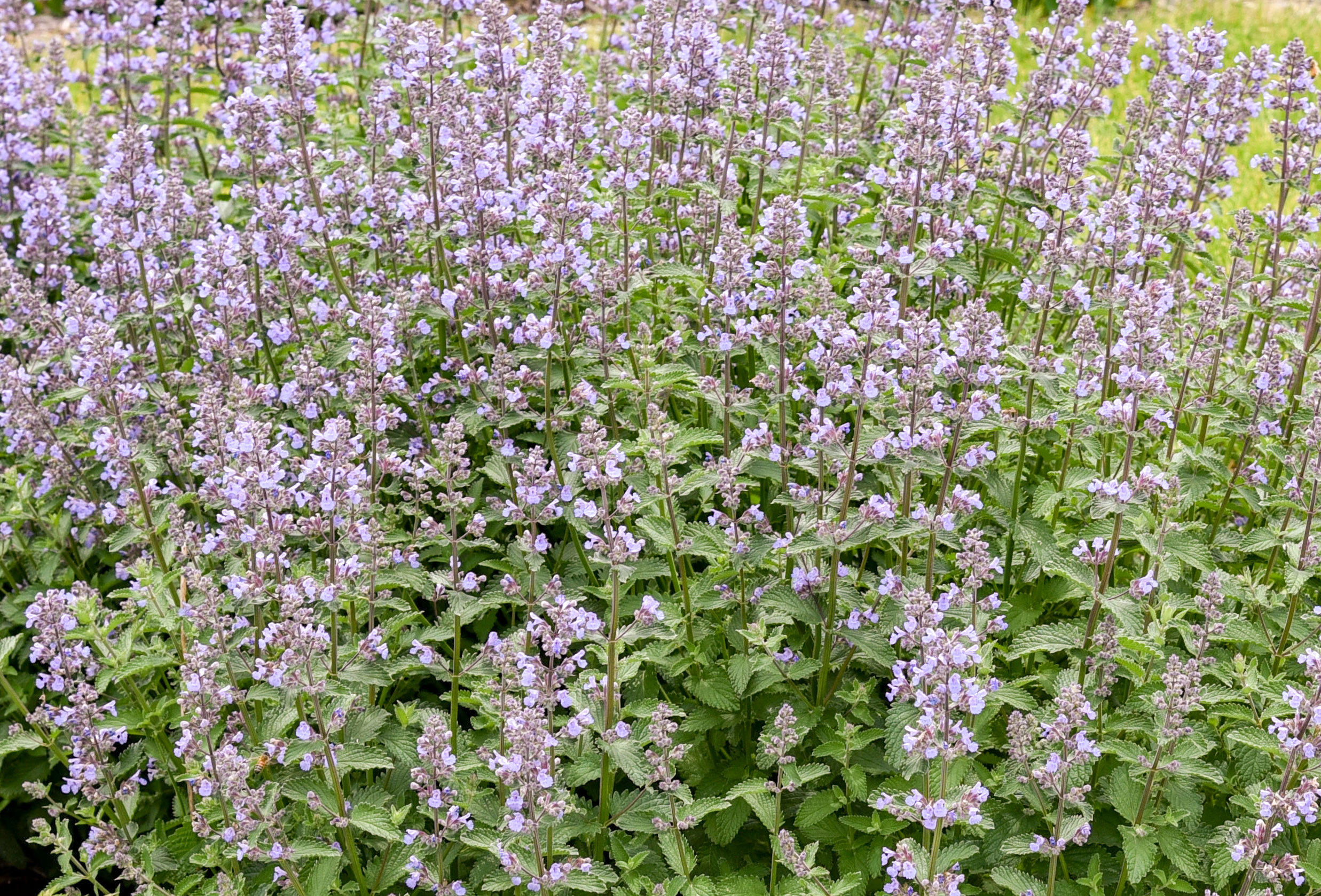
Towering above the rest, 'Tall Tails' commands attention with its massive, architectural columns of lavender-blue flowers. This giant catmint features a uniquely rigid, ultra-sturdy framework that stays perfectly vertical with no flopping. Worry-free, it is highly drought-tolerant, deer and rabbit resistant, and is an absolute magnet for pollinators. Just plant and enjoy the magic!
Plant Care

Water
Once established, has very low water needs and is exceptionally drought-tolerant. Newly Planted: Water deeply 1 to 2 times a week for the first growing season to help its deep root system establish.Established Plants: Rely mostly on natural rainfall. You only need to supplement with water during prolonged, multi-week droughts or extreme summer heatwaves.The Danger: Overwatering or planting it in soggy soil will cause the roots to rot and make its famous rigid stems turn weak and floppy.

Fertilizer
No, Nepeta 'Tall Tails' should not be fertilized. Catmints thrive in lean, poor-to-average soil. Adding fertilizer will actually backfire, causing the plant to grow too fast, which makes its famous sturdy stems turn weak, soft, and floppy.

Pruning
Pruning keeps the plant fresh, dense, and encourages a massive second wave of purple flower spikes later in the summer. Because this is a giant variety, giving it a proper haircut ensures those massive flower towers stay completely vertical. In mid-to-late July, right as the first major spring/summer flush of flowers begins to fade and turn brown, take hedge shears and cut the entire plant back by one-third to one-half its total height. In early spring, clean it up just as new green shoots start poking out of the ground. Cut all of last year's dead, woody sticks down hard, leaving them just 2 to 3 inches above the soil line. The plant will quickly explode with fresh growth.
Seasons of Interest

Spring
Quickly constructs a very dense, robust base of aromatic, gray-green foliage.Unlike smaller mounding varieties, Spring is when you watch its thick, ultra-sturdy stems rocket upward to establish its giant skeleton before the blooming begins.

Summer
From early through late summer, it's covered in thousands of small, tubular lavender-blue flowers. The flowers form massive, continuous vertical spires. Because the stems are so structurally rigid, this giant stays perfectly upright all summer long without flopping—even through heavy summer rainstorms.

Fall
If given a quick shear mid-summer, 'Tall Tails' will push a massive secondary flush of flowers that carries its color deep into early fall. Even as the late-autumn frost finally shuts down the lavender blooms, the rigid dried stems and seed heads can be left standing to provide bold, structural geometry in the late-season garden.