Gardening 101
How to Grow a Stunning, WorryFree® Landscape Without the Frustration
How to Grow a Stunning, WorryFree® Landscape Without the Frustration
Starting a garden or landscape bed is one of the most rewarding projects you can undertake. There is a unique joy in watching a delicate baby plant transform into a mature, thriving masterpiece that serves as the ultimate showpiece of your landscape. However, many beginners jump in without a plan, only to face withered leaves, stunted flowers, and muddy frustration.
You do not need a natural green thumb to succeed. Gardening is simply about understanding what your plants need to thrive, and by learning a few basic habits, you can easily cultivate a beautiful landscape. Here is the ultimate, stress-free blueprint every new gardener needs to know before digging in.
Before you look at a single plant, you need to understand your local climate. Plants are highly sensitive to temperature extremes, and growing a plant in the wrong climate is an uphill battle you will lose. The best tool for this is the USDA Plant Hardiness Zone Map. This map divides the country into zones based on the average annual minimum winter temperature. Matching your plant selection to your specific zone ensures your garden can survive the local elements year-round.
Plants use sunlight to create their food, but different species require drastically different amounts of energy. A common beginner mistake is planting a sun-loving Catmint in the shade of a large oak tree.
Before planting, spend a weekend tracking how the sun moves across your yard. Categorize your planting areas into three main zones:

Six or more hours of direct, unfiltered sunlight per day. This is mandatory for many flowering annuals and perennials.
Three to six hours of sunlight. Elegant perennials like coral bells, astilbes, and colorful caladiums will absolutely thrive in this gentle light.
Less than three hours of direct sun. Keep this area reserved for shade-loving ornamentals like lush hostas, delicate ferns and many hydrangeas

To a plant, soil is not just dirt; it is a life-support system. It holds the water they drink, the air their roots breathe, and the nutrients they need to grow.
Most native yard soil falls into two problematic categories: heavy clay or loose sand. Clay holds water too well, suffocating roots, while sand lets water drain away too fast, starving the plant.
The universal fix for both problems is organic compost. Mixing a two-to-three-inch layer of rich compost into your garden beds dramatically improves soil structure. It helps sandy soil retain moisture and breaks up tight clay to improve drainage. Invest in your soil first, and your plants will thank you.
New gardeners often kill their plants with kindness by watering too frequently. Giving a plant a quick, daily sprinkle only wets the very top layer of soil. This forces the plant to grow shallow, weak roots that dry out instantly on a hot day.
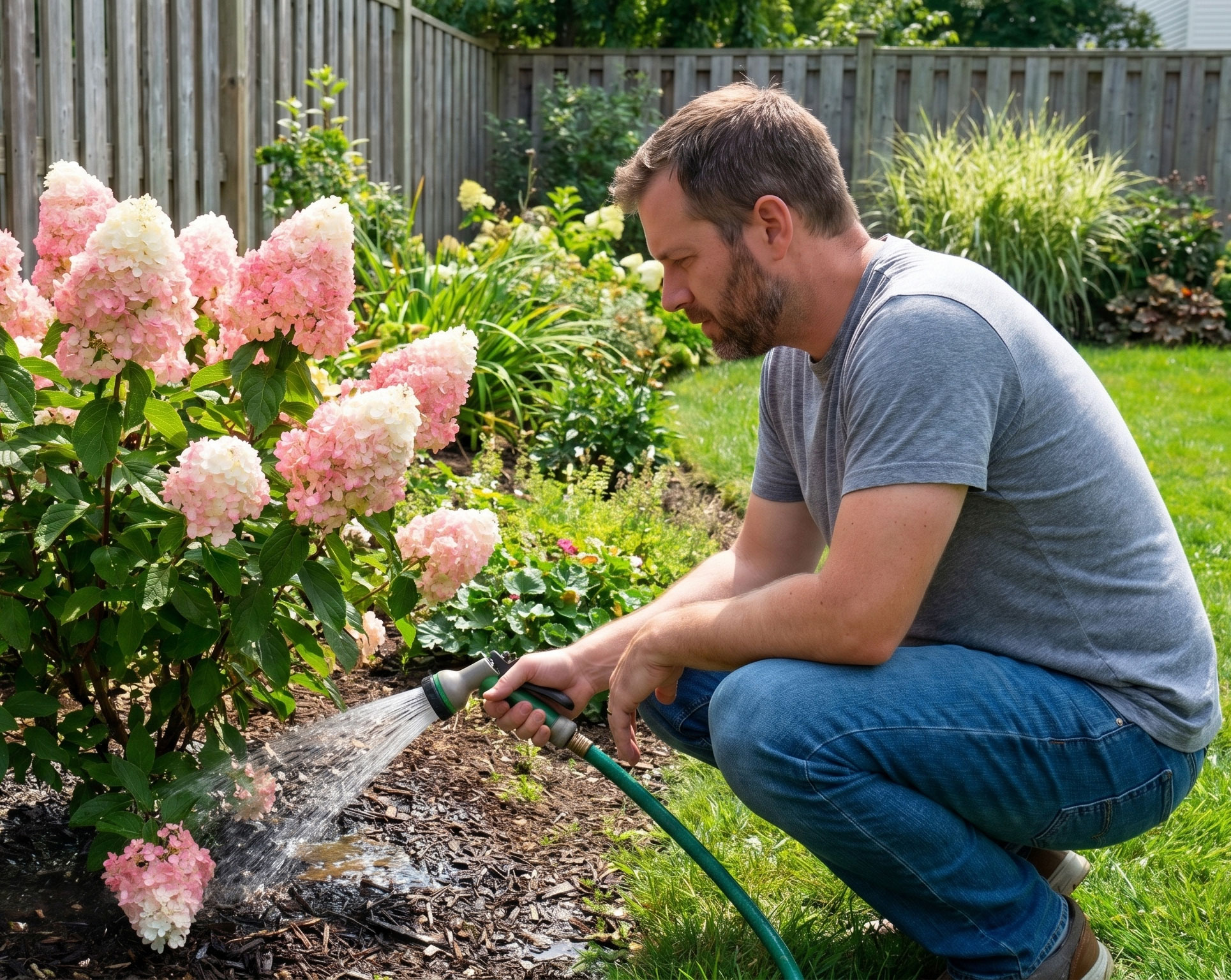
The golden rule of irrigation is to water less often, but deeply. Aim for about one inch of water per week, including rainfall. When you water, soak the ground thoroughly so moisture penetrates deep into the earth. This encourages the roots to grow downward, creating a resilient, drought-tolerant root system.
Additionally, always water the base of the plant at the soil level. Wetting the leaves triggers fungal diseases and wastes water through evaporation.
When you visit a nursery, it is easy to get distracted by delicate, exotic varieties that require constant pampering. For your first season, set yourself up for an easy win by choosing forgiving, resilient plants that anchor your landscape with minimal effort.
Instead of finicky specimens, look for robust varieties across different categories. By starting with these resilient foundations, you ensure early success while building the structure of a gorgeous, long-lasting landscape:
Dwarf conifers or boxwoods offer year-round structure and vibrant green color, even in the dead of winter.
Plants like coneflowers, hostas, and daylilies return year after year, growing larger and more beautiful with almost zero maintenance.
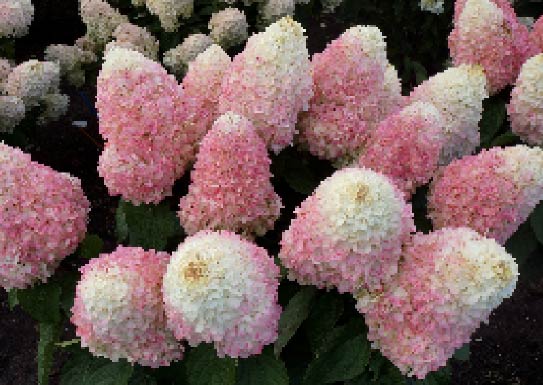
Hydrangeas or panicle shrubs deliver massive, show-stopping visual impact with very little pruning required.
Small, hardy trees like the crepe myrtle provide stunning seasonal transitions, offering summer blossoms and striking bark textures in the winter.
It is tempting to crowd young plants together to make a new landscape bed look instantly full and lush. However, that small potted shrub or delicate perennial will grow rapidly. Plant tags feature specific spacing guidelines for a critical reason.
When ornamentals are crowded, they have to fight each other for sunlight, water, and soil nutrients. This intense competition stalls their growth, preventing them from ever reaching their full, majestic shape. Furthermore, tight spacing blocks crucial airflow, creating a humid environment where fungal diseases and pests thrive, ruining pristine foliage and blooms. Give your landscape room to breathe, and your plants will reward you by growing into magnificent, healthy showpieces.
Gardening is a continuous learning process filled with trial and error. By focusing on these six basics—zone, sun, soil, water, variety, and space—you eliminate the most common causes of landscape failure. Start small, observe your environment daily, and enjoy the process of cultivating life.
© WorryFree Plants | Website by 37 Gears